
Hydrogen Energy
Green Hydrogen Cost Per Kg 2026: The Clean Energy Pricing Reality
The green hydrogen sector has entered a phase of strict economic realism. This B2B analytical guide breaks down the levelized cost of green hydrogen per kilogram across major global markets, highlighting the critical roles of electrolyzer capital expenditure and regional subsidies.
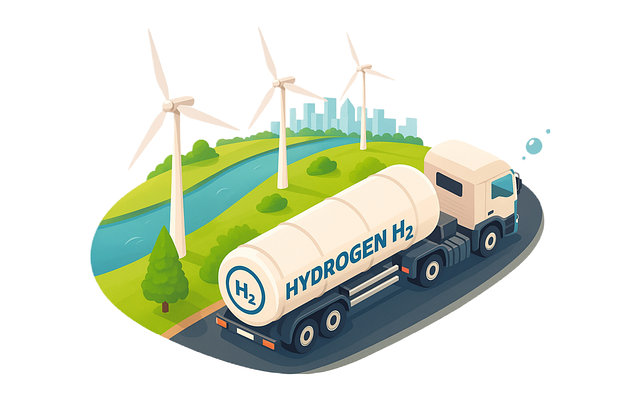
The global hydrogen market has undergone a significant transition over the past year. The speculative hype that characterized early-stage project announcements has cleared, leaving corporate offtakers, institutional investors, and climate tech developers focused squarely on the levelized cost of hydrogen (LCOH).
Green hydrogen, produced via water electrolysis powered by renewable energy, remains the ultimate destination for industrial decarbonization. However, closing the pricing gap between clean hydrogen and carbon-heavy alternatives has proven more complex than early market models predicted.
For projects operating around the globe, the unsubsidized green hydrogen cost per kg spans between $2.50 and $5.00 on average. However, when specific regional tax credits and optimal geographic resources are factored in, the financial reality changes significantly. This B2B analysis explores the current cost structures, engineering components, and regional variances shaping the 2026 market.
The 2026 Hydrogen Cost Spectrum
To accurately evaluate the competitiveness of clean fuel, green hydrogen must be benchmarked directly against legacy fossil-fuel production methods.
Gray hydrogen, derived from natural gas via Steam Methane Reforming (SMR) without carbon capture, remains the baseline industrial standard due to its mature supply chains. Blue hydrogen introduces Carbon Capture and Storage (CCS) to the SMR process, acting as a transitional low-carbon option. Green hydrogen bypasses fossil fuels entirely, though it carries a substantial capital expenditure premium.
Global Lifecycle Cost and Emissions Comparison
Hydrogen Production Type | Primary Production Energy Source | 2026 Average LCOH (USD/kg) | Lifecycle Carbon Intensity (kg CO2/kg H2) |
Gray Hydrogen (SMR baseline) | Natural Gas (Unabated) | $1.20 – $1.80 | 8.0 – 10.0 |
Blue Hydrogen (SMR + 90% CCS) | Natural Gas + Carbon Capture | $1.60 – $2.40 | 1.0 – 2.0 |
Green Hydrogen(Global Average) | Dedicated Wind / Solar Power | $2.50 – $5.00 | 0.0 – 0.5 |
Best-in-Class Green H2 (MENA) | High-Yield Solar + Wind Hybrid | $2.00 – $2.70 | 0.0 – 0.3 |
Anatomy of the Green Hydrogen Cost Stack
The levelized cost of green hydrogen is dictated by three primary factors: input electricity pricing, electrolyzer hardware expenses, and facility utilization rates.
1. Renewable Electricity Costs (55% to 70% of LCOH)
Electricity is the single largest operational expense in green hydrogen production. Because standard Proton Exchange Membrane (PEM) electrolyzers require roughly 50 to 55 kilowatt-hours of electricity to produce one single kilogram of hydrogen, the cost of clean energy directly sets the baseline price. For example, a wholesale electricity price of $20 per megawatt-hour translates directly to roughly $1.04 per kilogram in raw power costs alone.
2. Electrolyzer Capital Expenditure (20% to 25% of LCOH)
The upfront cost of purchasing and installing electrolyzer stacks has fallen steadily due to expanded manufacturing capacity, yet it remains a substantial hurdle.
Alkaline Systems ($500 to $800 per kW): The most mature and cost-efficient option on the market. They feature exceptionally long operational lifespans but are less responsive to the rapid power fluctuations typical of wind and solar grids.
PEM Systems ($700 to $1,000 per kW): These systems represent the premium tier. They pair beautifully with volatile renewable inputs due to fast dynamic response times, though they command a higher capital expenditure investment.
3. Capacity Factors
An electrolyzer cannot sit idle. To successfully amortize upfront capital costs, facilities must target a high capacity factor, ideally running between 4,500 and 6,000 hours per year. Running an electrolyzer solely on standalone daytime solar power yields a low capacity factor, forcing the levelized cost per kilogram upward.
Regional Pricing Realities and the Subsidy Factor
Because production relies heavily on localized power grids and government policy, green hydrogen cannot be priced as a single global commodity.
2.026 Regional Cost and Resource Breakdown
Targeted Production Region | Average Renewable Power Cost | Typical System Capacity Factor | Realistic 2026 LCOH (Unsubsidized) |
MENA (Saudi Arabia, UAE) | $10 – $20 / MWh | 65% – 75% | $2.00 – $2.70 / kg |
Australia | $15 – $25 / MWh | 60% – 70% | $2.20 – $2.90 / kg |
United States (Southwest / Texas) | $20 – $35 / MWh | 55% – 65% | $2.50 – $3.30 / kg |
European Union (Spain / Portugal) | $30 – $45 / MWh | 55% – 60% | $3.00 – $4.00 / kg |
North Asia (Japan / South Korea) | $50 – $80 / MWh | 50% – 60% | $4.50 – $6.00 / kg |
The US Subsidy Distorter (Section 45V)
In the United States, policy mechanisms have completely decoupled market prices from raw production economics. Under the clean hydrogen production tax credit, facilities that achieve near-zero lifecycle emissions qualify for a tiered credit of up to $3.00 per kilogram.
The Subsidized Reality: In resource-rich regions like West Texas or the Great Plains, applying the maximum $3.00 per kilogram production tax credit drops the net green hydrogen cost down to $0.50 to $1.50 per kg, safely undercutting the cost of gray hydrogen.
Critical B2B Bottlenecks: Storage and Transport
For corporate procurement officers and logistics managers, evaluating the production cost at the plant gate is only the first step. Hydrogen is the lightest element in the universe, meaning its storage and transport require significant additional energy and capital.
Compressing hydrogen gas to standard industrial pressures (350 to 700 bar) or liquefying it at cryogenic temperatures (minus 253 degrees Celsius) adds an extra $1.00 to $2.50 per kilogram to the final delivered price. Consequently, initial large-scale commercial adoptions are clustering as co-located ecosystems, where green hydrogen is generated directly on-site at ammonia plants, oil refineries, and green steel mills to completely eliminate transmission logistics.
Strategic Long-Term Outlook
The trajectory toward global cost parity with fossil fuels is sound, but it requires patience. Industry data indicates that green hydrogen will reach broad, unsubsidized parity with gray hydrogen around the turn of the decade as global electrolyzer manufacturing scales up and supply chains mature.
For B2B stakeholders, the current priority is securing strategic offtake volumes. Relying on spot-market purchases is high risk due to localized infrastructure constraints. By locking in long-term supply contracts within subsidized zones or partnering with mega-scale infrastructure projects in high-yield renewable corridors like the Middle East, corporate buyers can safely navigate the bridge to cost-effective industrial decarbonization.
Related Articles
Climate Tech Innovations
Liquid Cooling for AI Data Centers: Solving the Massive Computing Power Strain
Climate Tech Innovations
Grid Enhancing Technologies: Multiplying Power Line Capacity Without New Cables

Climate Tech Innovations
Solid-State Hydrogen Storage: Eliminating High-Pressure Gas Risks

Climate Tech Innovations
Ocean Alkalinity Enhancement: Can We Safely Accelerate Marine Carbon Storage?
Climate Tech Innovations
Direct Air Capture: Can Tech Lower the Cost Per Ton of Carbon?

Climate Tech Innovations