
Grid Automation
Grid Enhancing Technologies: Multiplying Power Line Capacity Without New Cables
Connecting new wind and solar assets is stalled by sluggish transmission expansion. Discover how Grid Enhancing Technologies optimize existing power line networks to clear interconnection queues.
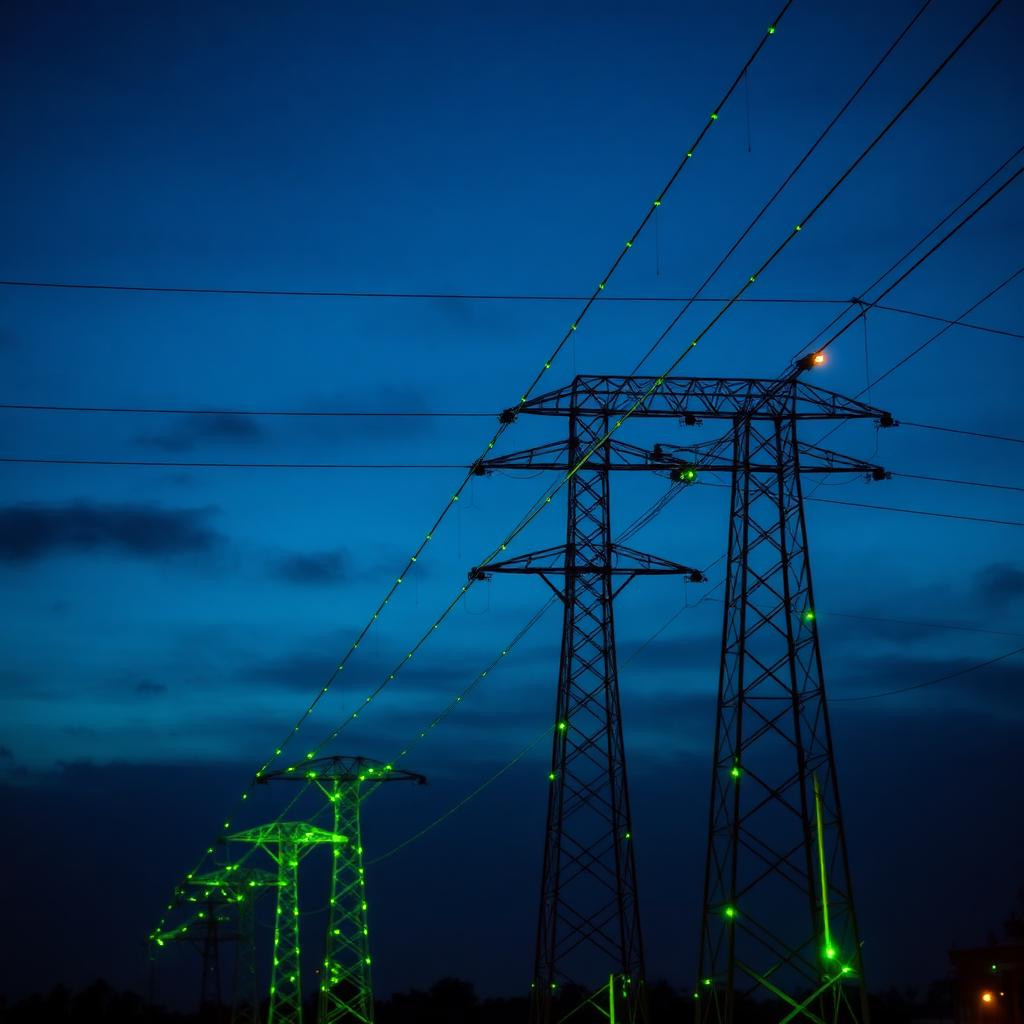
The global transition to clean energy faces a massive physical roadblock. While the construction of wind farms, utility scale solar arrays, and battery storage installations takes between one and five years, building the high voltage transmission infrastructure required to move that power can take anywhere from 10 to 15 years.
This development mismatch has created gridlock. Interconnection queues are choked with over 1,200 gigawatts of advanced stage renewable projects worldwide, waiting for permissions to connect to the utility grid.
Building new steel towers and stringing miles of aluminum cables is slow and expensive. To clear these bottlenecks, utilities are turning to a suite of hardware and software solutions known collectively as Grid Enhancing Technologies (GETs). By deploying these systems, transmission operators can optimize grid enhancing technologies power lines capacity in real time, bypassing multi-year permitting delays.
What Are Grid Enhancing Technologies?
Grid Enhancing Technologies represent a family of advanced digital and physical systems designed to maximize the operational efficiency of existing transmission networks. Historically, power lines have been managed using static capacity ratings. These legacy ratings assume worst case environmental conditions, such as hot summer days with zero wind, to ensure cables do not overheat and sag into trees.
While this traditional approach keeps the grid safe, it leaves substantial transmission capacity unused most of the time. GETs replace these conservative assumptions with real time data and automated controls. By monitoring actual environmental conditions and actively routing power flows, utilities can squeeze up to 40 percent more capacity out of the infrastructure they already own.
The Three Core Pillars of Modern GETs
The deployment of a comprehensive grid optimization strategy relies on three distinct technological systems working together across the network.
1. Dynamic Line Rating (DLR)
Dynamic Line Rating systems replace fixed assumptions with live, physics based monitoring. Special non-contact sensors mounted on transmission towers or directly onto live conductors continuously measure ambient temperatures, solar radiation, line tension, and line sag.
The most critical variable measured is hyperlocal wind speed. Breezy conditions provide a powerful cooling effect on overhead lines, allowing them to safely carry far more electricity.
Because wind farms generate peak power during high wind events, DLR creates a perfect operational synergy. When wind generation is at its maximum, the nearby transmission lines are cooled by the exact same weather system, instantly expanding line capacity to absorb the clean energy surge without risk of overloading.
2. Advanced Power Flow Control (APFC)
Electricity naturally takes the path of least resistance. On a traditional grid, this means a single transmission line can hit its maximum safe capacity and cause a bottleneck, even while parallel lines running a few miles away remain half empty.
Advanced Power Flow Control devices act like an automated GPS navigation system for electrons. Utilizing advanced power electronics, including Flexible AC Transmission System (FACTS) devices, APFC systems automatically adjust line impedance. By increasing resistance on overloaded lines, the software pushes excess electricity onto underutilized parallel circuits, balancing the network footprint.
3. Topology Optimization
Topology Optimization is a software driven analytics layer that alters the physical arrangement of the grid network. Using advanced data algorithms, the system identifies the most efficient configuration of transmission circuits for current demand levels.
Instead of installing new hardware, the platform instructs the grid to strategically open or close specific circuit breakers. This automated switching reroutes electricity around localized congestion areas, utilizing existing alternative paths that would otherwise sit idle.
Technology Showdown: Managing Transmission Headroom
Modern grid operators must evaluate how different tiers of monitoring and automation alter capacity limits and system visibility.
Grid Management Architecture Benchmarks
Feature/Specification | Traditional Static Ratings | Ambient Adjusted Ratings (AAR) | Dynamic Line Rating (DLR) |
Data Update Frequency | Fixed seasonal intervals | Hourly or daily forecasts | Real time continuous streams |
Primary Data Source | Worst case historical assumptions | Basic ambient temperature data | Hyperlocal weather, wind, and sag sensors |
Typical Capacity Gains | Baseline standard (0% gain) | 5% to 15% optimization | 20% to 40% maximum capacity expansion |
Renewable Integration Value | Lowest (High curtailment rates) | Moderate (Protects basic daytime solar) | Highest (Optimizes variable wind and solar) |
Grid Visibility Level | Blind to real time thermal shifts | Limited to broad regional weather | Advanced anomaly and wear detection |
The B2B Operational Case and Utility Economics
Deploying Grid Enhancing Technologies provides an exceptional return on investment for utilities, developers, and rate paying consumers. According to data from the International Energy Agency (IEA), widespread global deployment of GETs could free up enough hosting capacity to connect up to 700 gigawatts of advanced stage renewable energy projects currently stuck in bottlenecked queues.
Transmission Upgrade Timelines:
[New Line Build: 10 - 15 Years] ══════════════════════════════════════►
[GETs Retrofit: 6 - 12 Months]  ══►
1. Accelerated Deployment Timelines
Planning and constructing a new high voltage transmission corridor takes over a decade due to complex multi-state right-of-way negotiations, environmental impact studies, and structural engineering work. In contrast, installing tower mounted DLR sensors and power flow control hardware can be executed within six to twelve months, providing an immediate solution to grid capacity crises.
2. Dramatic Cost Reductions
Building new physical transmission lines requires immense capital expenditure, often costing millions of dollars per mile. Research from institutions like Columbia University reveals that integrating a suite of GETs can deliver thousands of megawatts of additional headroom at less than 10 percent of the cost of new line construction. These savings directly lower transmission congestion charges, protecting commercial and residential consumers from skyrocketing utility bills.
The Editorial Verdict: The Path to National Scale
Grid Enhancing Technologies are no longer experimental pilot programs, they are an operational necessity for the 2026 energy transition. Major software systems, including platforms used by 95 percent of North American transmission operators, are actively integrating live DLR data and AI analytics to coordinate capacity calculations across region-spanning networks.
For regulatory bodies, utility executives, and green energy developers, the strategic mandate is clear. To meet rising power demands driven by AI data centers and heavy industrial electrification, relying solely on slow infrastructure expansion is an unviable strategy. By prioritizing software intelligence over raw physical scale, utilities can transform aging transmission lines into dynamic, high-capacity clean energy corridors today.
Related Articles
Climate Tech Innovations
Liquid Cooling for AI Data Centers: Solving the Massive Computing Power Strain

Climate Tech Innovations
Solid-State Hydrogen Storage: Eliminating High-Pressure Gas Risks

Climate Tech Innovations
Ocean Alkalinity Enhancement: Can We Safely Accelerate Marine Carbon Storage?
Climate Tech Innovations
Green Hydrogen Cost Per Kg 2026: The Clean Energy Pricing Reality

Climate Tech Innovations
Direct Air Capture: Can Tech Lower the Cost Per Ton of Carbon?

Climate Tech Innovations