
Smart Home Integration
Best Smart Electrical Panels for 2026: SPAN vs. Schneider Pulse
Upgrading your home with solar, heat pumps, and EVs can easily overload a traditional breaker box. This 2026 comparison reviews the industry's best smart electrical panels, SPAN and Schneider Pulse, to help you bypass costly utility grid upgrades.
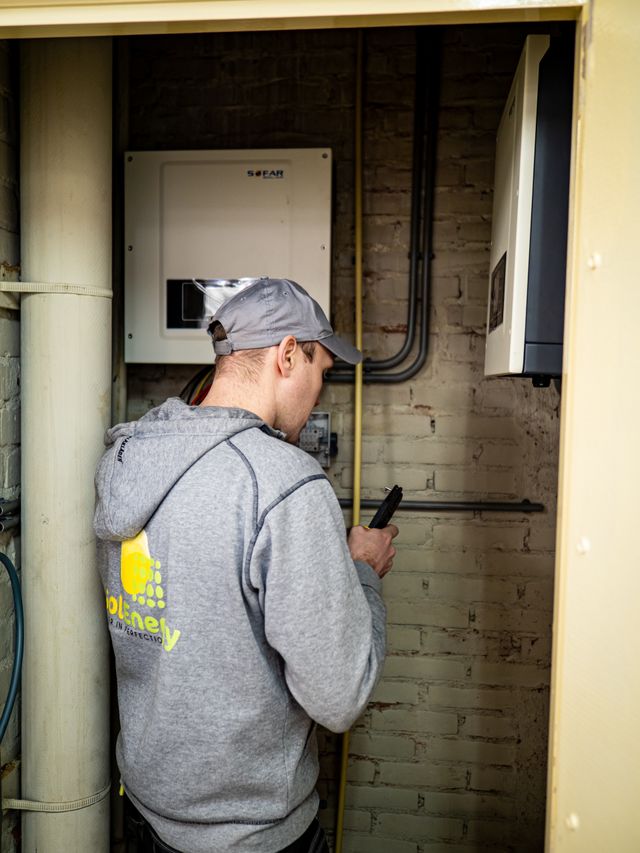
The traditional electrical panel has remained virtually unchanged for over half a century. This metal box filled with mechanical switches was designed for an era when household energy only flowed in one direction: from the utility grid directly to your appliances.
Modern homes require a completely different infrastructure. As homeowners add solar arrays, residential batteries, heat pumps, and high-draw EV chargers, legacy 100-amp or 200-amp electrical panels are quickly hitting their physical capacity limits.
Instead of paying thousands of dollars for a slow, intensive utility service upgrade, consumers are turning to the best smart electrical panel options to manage power dynamically. The market has consolidated into a high-stakes competition between two leading technologies: the silicon-valley challenger, SPAN, and the electrical industry giant, Schneider Electric, with its Schneider Pulse panel. Here is how these top two systems compare in real-world performance.
The UL 3141 Standard: Bypassing the Utility Bottleneck
Historically, adding an EV charger and a heat pump to a home with 100-amp service required a mandatory utility panel upgrade, a process that can easily cost between $2,500 and $5,000 while requiring months of bureaucratic permitting. Smart panels bypass this bottleneck entirely through advanced software.
Both the SPAN and Schneider Pulse panels hold official UL 3141 certification for interactive Home Energy Management Systems (iHEMS). This regulatory certification allows the panel's computer processor to monitor total household power draw in real time.
If your household consumption approaches your main breaker's safe limit, the smart panel automatically scales back or pauses flexible loads, such as your EV charger, for a few minutes. This digital load coordination satisfies the National Electrical Code, letting you add modern, high-power appliances without altering your physical connection to the utility grid.
SPAN Smart Panel: The Silicon-Valley Pioneer
The SPAN Smart Panel completely reimagined residential energy management from the ground up, packing advanced computing power directly into a streamlined, wall-mounted chassis.
Real-Time Circuit Monitoring
Unlike traditional panels, SPAN provides digital insight down to the individual circuit level. The companion mobile application tracks the exact wattage consumed by your refrigerator, your home office, or your kitchen appliances simultaneously, turning raw electricity into actionable data.
Upgraded Battery Integration
During a grid blackout, SPAN acts as an automated triage center for your backup power supply. Instead of forcing you to install a separate critical loads subpanel, SPAN lets you choose which rooms receive battery power directly from your smartphone. By automatically shedding non-essential circuits like pool pumps or guest bedrooms on the fly, SPAN extends your home battery's operational runtime by up to 40 percent.
Schneider Pulse: The Built-for-Installers Powerhouse
Schneider Electric countered the smart tech movement by leveraging its decades of field experience with its trusted Square D QO product family, introducing the all-in-one Schneider Pulse panel.
Five Enclosures in One Design
While SPAN requires separate exterior boxes for meters and solar disconnects, the Schneider Pulse consolidates five distinct systems into a single sleek enclosure. It integrates your utility meter, main breaker panel, solar inverter inputs, battery backup switch, and load management system together, significantly lowering hardware clutter on the side of your home.
Split-Bus Flexibility
The Pulse utilizes a specialized 225-amp split-bus bar configuration running on the reliable Square D QO Plug-on Neutral platform. This gives local electricians double the internal wiring space compared to typical smart enclosures. This design allows for incredibly fast hardware installations, making it an exceptionally popular choice for contractors retrofitting older properties.
Smart Electrical Panel Comparison Matrix
Evaluating these energy management systems requires matching their physical constraints and software capabilities directly against your home's infrastructure layout.
Feature / Specification | SPAN Smart Panel | Schneider Pulse Panel |
Hardware MSRP Baseline | $3,500 | $3,795 – $3,995 |
Controllable Circuit Slots | 32 dedicated circuits | Up to 40 circuits (via QO relays) |
System Architecture | Sleek standalone panel | Unified all-in-one layout |
UL 3141 Certification | Fully Certified | Fully Certified |
Generator Integration | Requires external hardware | Native via integrated controller |
Primary Connectivity | WiFi, Ethernet, Cellular, Bluetooth | WiFi, Ethernet, Cellular |
Cost and Installation Financials
Smart electrical panels represent a premium upfront investment compared to standard mechanical breaker boxes, but they deliver immediate savings by preventing expensive grid infrastructure overhauls.
SPAN Financial Outlook
A single SPAN panel retails for $3,500 for the hardware alone. When paired with professional labor, municipal electrical permitting, and the required structural mounting, the total out-of-pocket installation cost typically spans between $5,000 and $7,000.
Schneider Pulse Financial Outlook
The Schneider Pulse hardware carries a slightly higher baseline price, retailing between $3,795 and $3,995 depending on your regional distributor. However, because its all-in-one cabinet combines the meter and backup switch into a single asset, electricians spend significantly less time mounting external boxes, keeping total installed costs right around $5,500 to $7,500.
The Editorial Verdict: Which Smart Panel is Best for You?
Both systems represent the absolute peak of modern residential energy management, but they serve entirely different installation philosophies.
Choose the SPAN Smart Panel if you prioritize a premium, software-first user experience. If you love tracking granular, circuit-level data down to the individual room and want an app that maximizes your home battery storage runtime dynamically, SPAN remains the clear industry leader.
Choose the Schneider Pulse if you are executing a comprehensive home electrification project involving solar, storage, and a main service entrance swap simultaneously. Its compact, all-in-one layout is highly efficient for properties that need to clean up messy exterior wall wiring while maintaining compatibility with standard, universally available field breakers.
Before committing to a brand, ensure your chosen solar or HVAC contractor is officially certified by the respective manufacturer, ensuring your hardware warranty is properly activated from day one.
Related Articles

Home Energy Solutions
Phase Change Materials: The Smart Insulation Cooling Your Home Permanently

Home Energy Solutions
Matter 1.4 Energy Management: Unifying Smart Appliances and Solar Grids
Home Energy Solutions
Perovskite Tandem Solar Cells: Bypassing the Silicon Efficiency Limit

Home Energy Solutions
Saltwater Batteries vs. Lithium: A Safe, Sustainable Home Storage Option
Home Energy Solutions
Microinverter vs. String Inverter: Which Solar Technology is Best?
Home Energy Solutions