
Residential Batteries
Saltwater Batteries vs. Lithium: A Safe, Sustainable Home Storage Option
Residential energy storage is expanding rapidly, but not every homeowner wants lithium in their garage. This comprehensive evaluation explores saltwater batteries as a safe, non-toxic, and fire-proof alternative for residential microgrids.
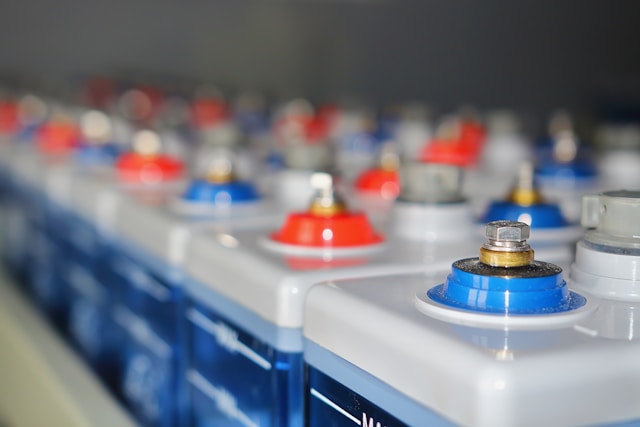
The residential energy storage market has reached an incredible scale. As extreme weather events test utility grids and time-of-use rates penalize standard electricity consumption, homeowners are investing heavily in backup protection.
For the vast majority of installations, this means mounting a traditional lithium-ion or lithium iron phosphate battery on a garage wall. While these chemical configurations are highly efficient, they carry specific compromises regarding material mining ethics, recycling complexity, and rare thermal safety risks.
A compelling alternative has captured the attention of environmentally conscious consumers. Utilizing basic chemical properties, a saltwater battery for home energy storage offers a completely non-toxic, non-flammable path to grid independence. If you are planning to future-proof your household energy ecosystem, understanding how saltwater systems match up against standard lithium options is essential.
Understanding Saltwater Battery Technology
At its technical core, a saltwater battery relies on a liquid solution of sodium chloride (common table salt) and water to act as its electrolyte. During a charging cycle, electric current from your solar array forces sodium ions to migrate from the cathode to the anode. When your home demands power at night, the chemical process reverses, releasing clean alternating current back into your electrical panel.
Unlike mainstream options, saltwater systems belong to a category known as aqueous batteries. They use no heavy metals, volatile organic solvents, or highly toxic compounds. The entire architecture can be manufactured using abundant, globally secure materials like iron, manganese, carbon, and salt.
Saltwater vs. Lithium-Ion: The Strategic Comparison
Evaluating a saltwater battery requires shifting your expectations away from traditional automotive metrics. Stationary home backup demands long-term durability and safety over compact sizing.
Residential Energy Storage Comparison Matrix
Specification Metric | Saltwater (Aqueous / Sodium) Systems | Traditional Lithium-Ion (LFP / NMC) |
Thermal Runaway Risk | Zero (Completely non-flammable) | Low to Moderate (Requires active management) |
Depth of Discharge (DoD) | 100% (Zero long-term cell damage) | 80% to 90% (Strict limits to prevent degradation) |
Average Cycle Lifespan | 5,000 to 10,000+ full cycles | 3,000 to 6,000 cycles |
Physical Energy Density | Low (Requires a larger footprint) | High (Compact, lightweight enclosures) |
Operating Temperature | Wide range (-20°C to 55°C) | Moderate range (0°C to 40°C) |
Toxicity and Recycling | 100% recyclable, zero hazardous waste | Complex recycling processes required |
Core Advantages of Saltwater Systems
1. Uncompromised Safety and Zero Fire Risk
The most significant advantage of an aqueous saltwater configuration is its absolute safety profile. Traditional lithium-ion batteries require complex battery management software, active cooling fans, and automated cutoff switches to prevent thermal runaway.
The Structural Safety Reality: Because the primary liquid inside a saltwater battery is water, it cannot catch fire, explode, or release toxic gases under any circumstances. You can puncture the cell, subject it to an external short circuit, or expose it to intense heat without triggering a combustion event. This allows homeowners to install the hardware inside living spaces or basements without investing in expensive fire-suppression gear.
2. Maximum Depth of Discharge
Lithium batteries suffer accelerated cell degradation if they are regularly drained to zero percent. Homeowners must maintain a strict capacity buffer to preserve their asset warranty.
Saltwater batteries handle deep discharges effortlessly. You can utilize 100 percent of the battery's stated capacity day after day without causing structural damage to the internal electrodes. Furthermore, a saltwater system can sit completely empty for months at a time without losing its ability to hold a full charge in the future.
3. Long Operational Lifespans
Because the underlying chemical movements do not stress the internal physical components, saltwater batteries deliver exceptional durability. Premium models regularly cross the 10,000-cycle threshold while retaining their original storage capabilities. For a typical household cycling their storage once per day, this translates into an operational lifespan exceeding twenty years.
The Core Compromise: The Energy Density Penalty
Despite these clear environmental and safety advantages, saltwater systems are not a universal replacement for every home. The primary hurdle is physical energy density.
Because sodium ions are physically larger and heavier than lithium ions, a saltwater battery requires significantly more physical space to store the exact same amount of electricity. A 10 kWh saltwater array can easily weigh three to four times more than an equivalent Tesla Powerwall or Enphase system.
Consequently, these batteries are not ideal for tight utility closets or properties with strict space limitations. They are best suited for spacious basements, dedicated garage corners, or rural off-grid properties where physical equipment footprints are not a primary concern.
Top Providers and Market Availability
The commercial landscape has diversified into specialized residential options. Manufacturers are packaging these alternative chemistries into installer-friendly formats.
Salgenx Platforms: Producing specialized condensed flow battery designs, Salgenx utilizes scalable liquid tanks to separate energy capacity from power output. Homeowners can expand their total storage duration simply by adding extra saltwater electrolyte fluid to the system.
Eleven Energy Systems: A major innovator in the residential sodium space, Eleven Energy utilizes sustainable cathodes derived from iron and manganese oxides. Their systems operate across a massive temperature range while integrating directly with modern smart home energy management apps.
Aquabattery Initiatives: Focusing on long-duration storage, these setups are engineered to store clean power for extended multi-day periods, providing an ideal cushion for remote microgrids during seasonal solar drops.
The Editorial Verdict: Is Saltwater Right for Your Home?
Investing in a saltwater battery for home energy storage comes down to aligning your personal sustainability goals with your physical property layout.
You should choose a saltwater storage system if you are building an eco-friendly home, prioritize maximum physical safety, and have ample space in a basement or garage to accommodate a larger equipment footprint. The ability to drain the battery completely without penalty makes it an incredibly resilient asset for dedicated off-grid configurations.
Conversely, if you live in a compact suburban home where wall space is at a premium and you want a streamlined system that integrates into a pre-existing mainstream solar inverter package, traditional lithium iron phosphate remains the standard path. By offering a clean, non-toxic alternative, saltwater technology ensures that the residential energy transition no longer requires a choice between clean grid backup and absolute environmental safety.
Related Articles

Home Energy Solutions
Phase Change Materials: The Smart Insulation Cooling Your Home Permanently

Home Energy Solutions
Matter 1.4 Energy Management: Unifying Smart Appliances and Solar Grids

Home Energy Solutions
Perovskite Tandem Solar Cells: Bypassing the Silicon Efficiency Limit
Home Energy Solutions
Microinverter vs. String Inverter: Which Solar Technology is Best?
Home Energy Solutions
Best Smart Electrical Panels for 2026: SPAN vs. Schneider Pulse
Home Energy Solutions