
Smart Home Integration
Matter 1.4 Energy Management: Unifying Smart Appliances and Solar Grids
Smart home automation has moved beyond simple lighting tricks. This comprehensive guide details how the Matter energy management standard unifies solar panels, home batteries, and heavy appliances into an optimized ecosystem.

The dream of a fully automated smart home has long faced a major operational hurdle: fragmented ecosystem connectivity. For years, homeowners looking to optimize their carbon footprint had to juggle multiple proprietary applications to coordinate smart thermostats, rooftop solar arrays, and electric vehicle chargers.
The introduction of the matter smart home energy management standard has shattered these proprietary silos. With the widespread adoption of the Matter 1.4 specification and subsequent protocol enhancements, the standard has expanded from simple gadget control into an intelligent, home-wide energy orchestration network.
Moving from Device Control to Autonomous Energy Management
Early iterations of the Matter protocol focused almost exclusively on low-power devices like smart light bulbs, media players, and basic security sensors. While convenient for standard automation, the early framework lacked the deep data architecture required to manage high-voltage electrical loads.
The release of Matter 1.4 fundamentally altered this dynamic by introducing native support for solar panels, home battery storage systems, heat pumps, and electric water heaters. Instead of requiring a human to manually turn devices on or off, the protocol enables autonomous, two-way communication between heavy household appliances and a centralized Home Energy Management System (HEMS). This allows your home to coordinate its runtime cycles dynamically based on real-time power availability.
Smarter Solar and Residential Battery Coordination
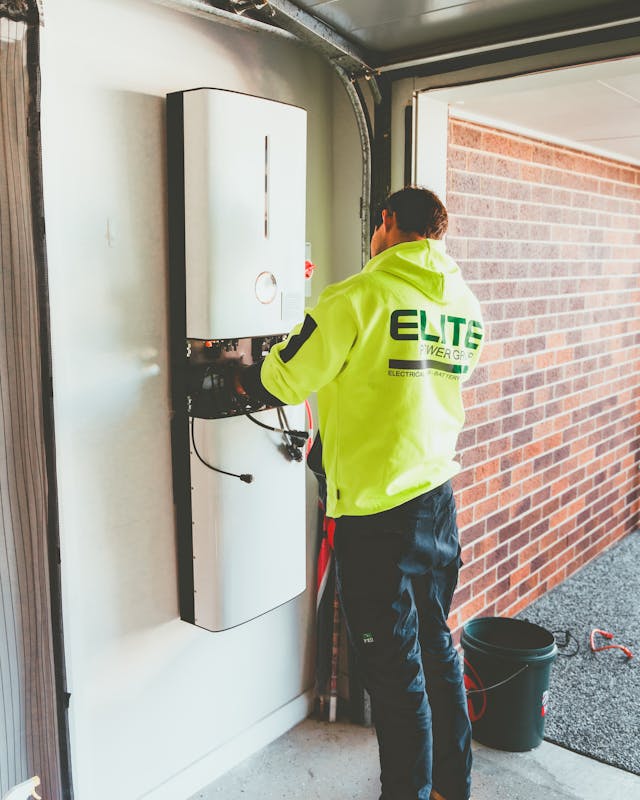
Under this unified specification, hybrid solar and battery storage installations can communicate directly with the rest of your smart home network. When your solar panels generate a surplus of clean electricity during peak afternoon hours, the Matter protocol can automatically route that power to pre-heat an electric water heater or trigger a home battery wall to absorb the excess capacity. This automated balancing keeps your clean energy on-site, lowering your reliance on the public grid.
Optimizing EV Charging Preferences
Electric vehicle supply equipment (EVSE) receives a major upgrade under the advanced Matter framework. Users can define specific charging parameters inside their preferred smart home controller application. For instance, you can instruct the system to only charge your vehicle when electricity tariffs are at their absolute lowest point or when your rooftop solar array is actively exporting surplus power.
The Technological Blueprint: How Matter Syncs Your Grid
To establish a truly resilient home microgrid, the protocol relies on standardized software clusters that translate complex electrical telemetry into unified, cross-platform data formats.
Core Energy Clusters and Technical Functions
Core Energy Cluster | Primary Technical Function | Practical Homeowner Benefit |
Device Energy Management | Forecasts power consumption schedules and adjusts appliance start times | Lowers peak demand fees automatically |
Energy Management Mode | Toggles between local optimization, grid optimization, or manual control | Provides total flexibility over energy routing |
Advanced Smart Metering | Tracks real-time power usage and logs historical consumption data | Delivers precision utility bill tracking |
Dynamic Tariff Integration | Processes complex, time-varying utility pricing and carbon intensity metrics | Maximizes financial savings from time-of-use rates |
The Multi-Admin Advantage: True Ecosystem Interoperability
Historically, setting up an energy management network required committing to a single technological ecosystem. If one homeowner preferred a specific smart home application while another family member preferred a different smartphone platform, the entire automation array would break down.
The Enhanced Multi-Admin feature solves this friction completely. By granting single-user consent, new and existing devices can automatically connect to multiple certified smart home ecosystems simultaneously. This means an EcoFlow smart home panel, a Nest thermostat, and a certified EV wall charger can share data smoothly across different user interfaces without proprietary roadblocks.
The Future of Grid Integration and V2G Technology
As the standard continues to mature, its integration with regional utility companies is growing stronger. The software allows smart devices to exchange standardized data regarding local grid carbon intensity and emergency power limit requirements.
This integration establishes the perfect foundation for vehicle-to-grid (V2G) applications and broad virtual power plant configurations. During critical emergency grid events, your smart home network can automatically throttle down non-essential loads while safely coordinating with your EV or home battery to sell energy back to the utility at a premium rate, turning your household infrastructure into an active revenue source.
The Editorial Verdict
The evolution of the Matter standard represents the definitive future of residential sustainability. It transforms home energy conservation from a tedious series of manual programming tasks into a frictionless, background software operation.
By implementing Matter-compliant hardware today, you are future-proofing your property against rising utility rates. The standard successfully bridges the gap between clean power generation and smart consumption, helping you cut costs, protect the environment, and gain true energy independence.
Related Articles

Home Energy Solutions
Phase Change Materials: The Smart Insulation Cooling Your Home Permanently
Home Energy Solutions
Perovskite Tandem Solar Cells: Bypassing the Silicon Efficiency Limit
Home Energy Solutions
Saltwater Batteries vs. Lithium: A Safe, Sustainable Home Storage Option
Home Energy Solutions
Microinverter vs. String Inverter: Which Solar Technology is Best?
Home Energy Solutions
Best Smart Electrical Panels for 2026: SPAN vs. Schneider Pulse
Home Energy Solutions