
Charging Infrastructure
Bidirectional EV Charging 2026: Which Cars Can Power Your Home?
Electric vehicles are shifting from simple power consumers into mobile home generators. This comprehensive 2026 guide lists every EV model currently capable of bidirectional vehicle-to-home power routing and the required hardware to unlock it.
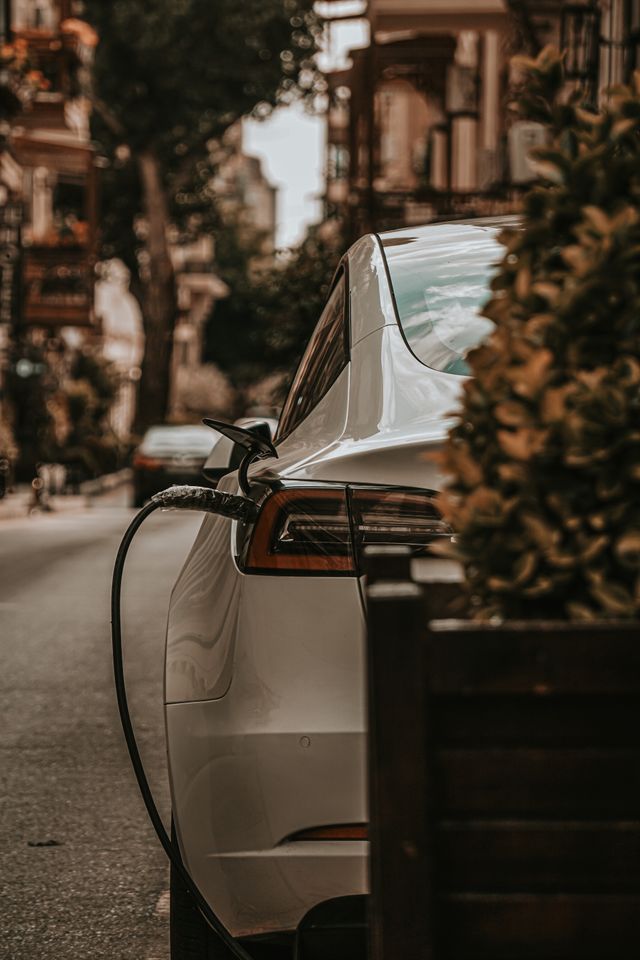
The utility landscape is facing a massive transformation. Rapid grid strain, escalating weather anomalies, and rising peak electricity rates have forced homeowners to seek reliable energy alternatives. At the center of this shift is the electric vehicle, which is no longer just a clean mode of transportation, but a massive battery on wheels that spends roughly 90 percent of its day parked.
The industry has officially crossed the bridge from experimental pilot programs to full commercial scale. Automakers are aggressively integrating bidirectional hardware into their fleets, allowing drivers to tap into their car batteries to run home appliances or survive extended grid blackouts.
If you are shopping for a new vehicle and want to future-proof your household energy security, knowing which models support this technology is vital. This definitive review breaks down the best EVs with bidirectional charging 2026configurations and the physical hardware required to connect them to your electrical panel.
Understanding the Modes: V2L vs. V2H vs. V2G
Before reviewing the vehicle compatibility list, it is important to separate the three distinct tiers of bidirectional technology. Not every car with outward power capabilities can run an entire home.
Bidirectional Operational Modes
Mode | Functional Capability | Power Output Range | Necessary Infrastructure |
V2L (Vehicle-to-Load) | Powers individual tools, camp gear, or electronics directly via built-in cabin and bed outlets. | 1.9 kW to 3.6 kW | Vehicle hardware only; no home installation needed. |
V2H (Vehicle-to-Home) | Discharges power backwards through a wall charger to run a home panel during an outage. | 9.6 kW to 11.5 kW | Bidirectional wall charger, auto-transfer switch, and home gateway. |
V2G (Vehicle-to-Grid) | Aggregates parked car batteries to export energy back to the public utility grid for cash credits. | 7.4 kW to 19.2 kW | Bidirectional system, utility utility interconnect approval, and V2G tariff agreement. |
The 2026 Master List: Compatible Bidirectional EVs
The list of compatible vehicles has expanded beyond high-end luxury trucks. Modern software architectures and updated charging standards mean that family SUVs and even entry-level commuter cars are entering the market with factory-integrated vehicle-to-home capabilities.
2026 Bidirectional EV Capability Matrix
Vehicle Platform / Model | Port Standard | Max V2H Output | Approved Home Hardware Path |
Tesla Cybertruck | NACS | 11.5 kW | Tesla Powershare Gateway and Universal Wall Connector |
Ford F-150 Lightning | Custom CCS / NACS | 9.6 kW | Ford Charge Station Pro and Sunrun Home Integration Kit |
Chevrolet Silverado EV | NACS (Ultium) | 9.6 kW | GM Energy PowerShift Charger and PowerVault |
GMC Sierra EV | NACS (Ultium) | 9.6 kW | GM Energy PowerShift Charger and PowerVault |
Cadillac Lyriq | NACS (Ultium) | 9.6 kW | GM Energy PowerShift Charger and PowerVault |
Kia EV9 | CCS1 / NACS | Up to 10.0 kW | Wallbox Quasar 2 or dcbel Ara |
Volvo EX90 | CCS1 | Up to 11.0 kW | dcbel Ara |
Chevrolet Bolt EV (2027 Model) | NACS | 7.2 kW | GM Energy PowerShift entry tier |
Key 2026 Vehicle Highlights
Tesla Cybertruck
Tesla holds a dominant spot in the V2H space with its proprietary Powershare ecosystem. The Cybertruck features a massive 123 kWh battery pack capable of pushing out 11.5 kW of continuous backup power. This is currently the highest residential output on the consumer market, enabling a single truck to run an average household comfortably for up to four or five days.
The GM Ultium Fleet and the New Bolt EV
General Motors has standardized bidirectional capabilities across its entire Ultium battery platform. Premium models like the Silverado EV and Cadillac Lyriq sync with GM Energy's custom PowerShift systems. Crucially, the affordable, newly redesigned Chevrolet Bolt EV has returned to showrooms, bringing factory V2H capabilities to sub-thirty-thousand-dollar buyers for the first time.
Hyundai and Kia (E-GMP Platform)
While the popular Ioniq 5 and EV6 models excel at powering individual appliances via standard V2L outlets, the larger Kia EV9 SUV features an updated onboard charger designed for true V2H home integration. Using third-party DC fast chargers, the EV9 can successfully act as an automated home backup system.
The Hidden Cost: Essential Wall Hardware
You cannot simply plug a bidirectional-capable EV into a standard wall outlet and expect it to run your home. Unlocking V2H power distribution requires a significant upfront investment in specialized garage hardware.
A standard home charger is an entry-point system that only moves power in one direction. A true V2H setup requires an advanced bidirectional charger that converts the car battery's direct current (DC) back into household alternating current (AC).
Furthermore, you must install an automatic transfer switch or home energy gateway at your main breaker panel. This system automatically disconnects your home from the main utility grid during a blackout, creating a closed electrical loop. This safety step is non-negotiable because it prevents your vehicle from accidentally sending dangerous live electricity down downed public power lines where utility technicians are working.
Primary 2026 Bidirectional Wall Systems
OEM-Tied Hardware: Ecosystems like Ford's Charge Station Pro or the Tesla Powershare package cost between $2,500 and $5,500 before installation. They offer optimized integration but only work with their respective vehicles.
Universal Third-Party Chargers: Systems like the Wallbox Quasar 2 and dcbel Ara operate via open industry charging standards. While they carry higher hardware prices, they enable homeowners to swap vehicle brands in the future without rebuilding their garage infrastructure.
The Final Editorial Verdict
If you are planning to purchase an electric vehicle this year, cross-referencing its bidirectional capability is a smart financial move. Choosing a car that supports V2H functionality allows you to bypass the need for a separate, expensive stationary home battery system.
Before signing a purchase contract, check with your local utility provider to see if they offer specific rebates for bidirectional hardware. By combining a compatible EV with targeted off-peak time-of-use charging schedules, you can turn your vehicle into a powerful hedge against rising energy costs and grid instability.
Related Articles

e-Mobility & EVs
Urban Air Mobility: When Will Commercial eVTOL Flights Take Off?
e-Mobility & EVs
Silicon Anode Batteries: Unlocking High Energy Density for Next-Gen EVs
e-Mobility & EVs
Megawatt Charging System (MCS): How the Grid Scales Heavy-Duty EV Freight
e-Mobility & EVs
Hyundai Ioniq 9 vs. Kia EV9: Which Three-Row Electric SUV Wins?
e-Mobility & EVs
BMW iX3 Neue Klasse: A Radical Leap for Electric Luxury SUVs
e-Mobility & EVs