
EV Reviews & Launches
BMW iX3 Neue Klasse: A Radical Leap for Electric Luxury SUVs
Shifting away from legacy multi-fuel platforms, the 2026 BMW iX3 introduces the highly anticipated Neue Klasse dedicated electric architecture. This comprehensive review breaks down the rolling launch schedule, charging speeds, and cabin tech.
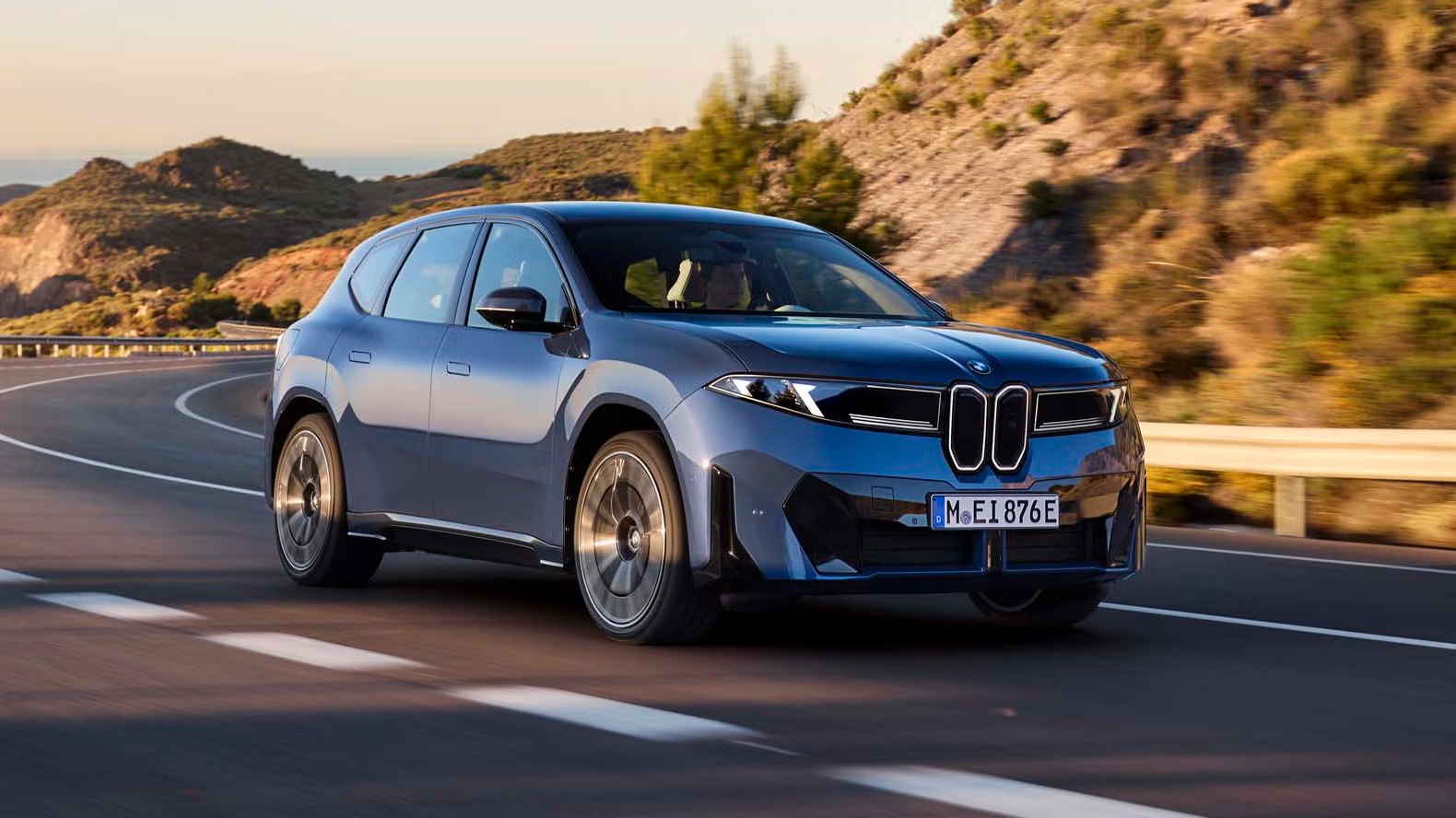
The premium electric vehicle sector has historically relied on shared architectures. For years, legacy automakers retrofitted combustion engine chassis to house electric motors and heavy battery packs, resulting in major design compromises.
BMW has shattered that template. The launch of the all-new, next-generation iX3 crossover marks the official dawn of the Neue Klasse era. This vehicle represents a multi-billion-dollar structural reboot, introducing a dedicated electric platform that completely redefines the brand's driving dynamics.
Codenamed the NA5, this premium crossover moves past traditional design boundaries. By combining an ultra-efficient 800-volt electrical backbone with radical cylindrical cell battery engineering, the new iX3 challenges the status quo of luxury electric transport.
The Rolling Launch Schedule and Availability
For buyers tracking the commercial availability of this vehicle, the rollout is progressing through distinct, high-volume operational phases.
The Official Market Launch: Following an initial assembly kick-off at the new Debrecen plant in Hungary, the global market rollout officially commenced on March 7, 2026. Initial customer handovers began across European dealerships immediately following this launch date.
Due to intense demand, the premium dual-motor variants were prioritized for the initial spring release. To capture a broader customer base, BMW expanded the lineup in April by revealing the entry-level, rear-wheel-drive iX3 40 configuration. Production is ramping up continuously, with long-wheelbase editions and regional market expansions scheduled throughout the remainder of this year.
2026 Launch and Availability Matrix
Vehicle Configuration Tier | Global Production Status | Target Regional Markets | Initial Delivery Window |
iX3 50 xDrive (Dual-Motor) | Active Mass Production | Europe and North America | Launched March 7, 2026 |
iX3 40 (Single-Motor Entry) | Active Production Scaling | Global Markets | Mid-2026 Rollout |
iX3 L (Long-Wheelbase) | Regional Plant Assembly | China and Select Export Zones | Late 2026 Arrival |
Gen6 eDrive Technology: The Cylindrical Battery Revolution
The technical core of the Neue Klasse platform is the sixth-generation eDrive propulsion ecosystem. BMW has abandoned the traditional prismatic battery cells utilized in its legacy electric cars, pivoting instead to advanced cylindrical cell structures.
These new cylindrical cells pack a 20 percent higher volumetric energy density than previous battery packs. Utilizing a sophisticated cell-to-pack installation method, the cells are integrated directly into the floor housing, turning the battery pack into a structural component of the vehicle chassis. This structural configuration reduces total vehicle weight by 10 percent while increasing torsional rigidity.
The electrical system operates on an uncompromised 800-volt architecture. This high-voltage setup allows the vehicle to sustain a maximum DC fast-charging speed of 400 kW. When connected to a high-output public charging station, the iX3 can recover 217 miles of range in a lightning-fast 10-minute session.
Gen6 Efficiency and Charging Metrics
Operational Performance Metric | Legacy Gen5 iX3 (G08 Platform) | Next-Gen Gen6 iX3 (NA5 Platform) | Real-World Technical Advance |
Maximum DC Charging Speed | 150 kW | 400 kW | 166% Faster Charging |
Maximum Driving Range | ~285 miles (WLTP) | Up to 500 miles (WLTP) | 30% Range Increase |
Internal Energy Losses | Baseline standard | Reduced by 40% | Superior cold-weather conservation |
System Charging Voltage | 400-Volt Architecture | 800-Volt Architecture | Drastically reduced heat and current |
Inside the Cabin: Panoramic Vision and the Superbrain Layers
The interior layout represents a complete shift in minimalist ergonomics. BMW has removed the traditional driver instrument cluster and the classic rotary iDrive controller, replacing them with a high-performance digital nervous system controlled by centralized computers.
The interior is anchored by BMW Panoramic Vision. This advanced head-up display projected across the entire lower section of the front windshield acts as a full-width driver info center. It spans seamlessly from A-pillar to A-pillar, displaying vehicle speed, battery state of charge, and real-time navigation data directly in the driver's line of sight.
This system coordinates with a central, rhomboid-shaped mini-LED touchscreen display. The underlying electronic architecture relies on four specialized, high-performance computers. This system controls the suspension tuning, electric powertrain management, automated driver assistance systems, and cabin software simultaneously, speeding up computational response times.
2026 Variant Performance Breakdown
The vehicle is tuned to deliver distinct balances of purchasing cost, total system output, and maximum cruising range.
Comprehensive NA5 Production Specifications
Performance Specification | BMW iX3 40 (Entry Tier) | BMW iX3 50 xDrive (Premium Tier) |
Powertrain Motor Layout | Single Rear-Axle Synchronous Motor | Dual-Motor All-Wheel-Drive |
Total System Power Output | 320 Horsepower (235 kW) | ~500 Horsepower (368 kW) |
Peak Peak System Torque | 500 Nm | ~700 Nm |
Acceleration (0 to 100 km/h) | 5.9 Seconds | ~4.2 Seconds |
Maximum Rated WLTP Range | Up to 395 miles (636 km) | Up to 500 miles (805 km) |
The Senior Writer's Verdict
The arrival of the 2026 BMW iX3 Neue Klasse marks a significant milestone in the premium electric vehicle segment. By bypassing the limitations of shared internal combustion chassis, BMW has built a dedicated electric crossover that directly targets the Porsche Macan Electric and Audi Q6 e-tron.
With its rolling release dates now actively materializing globally, the vehicle justifies its intense pre-order demand. The combination of rapid 400 kW charging, minimalist cabin layout, and structural battery engineering makes the new iX3 an incredibly future-proof choice for premium buyers seeking an uncompromised blend of digital innovation and traditional driving dynamics.
Related Articles
e-Mobility & EVs
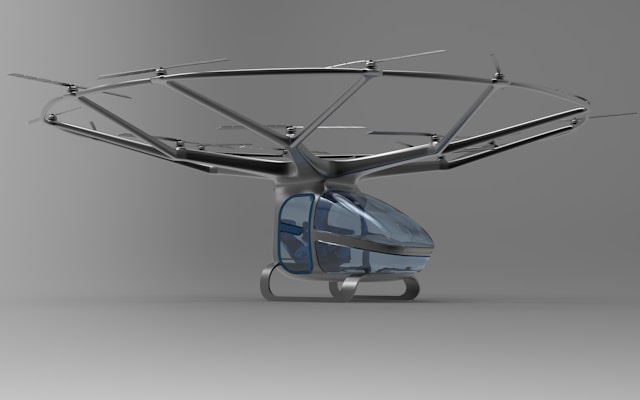
Urban Air Mobility: When Will Commercial eVTOL Flights Take Off?
e-Mobility & EVs
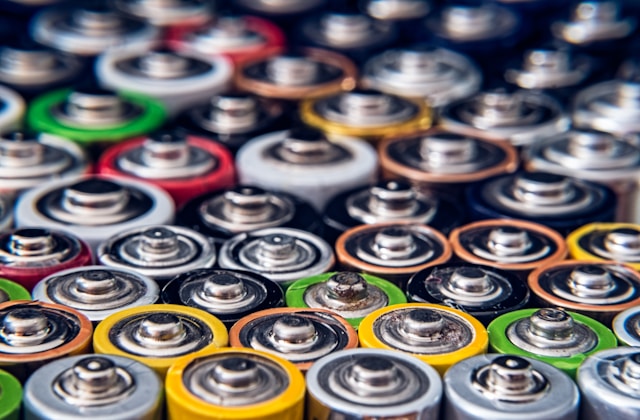
Silicon Anode Batteries: Unlocking High Energy Density for Next-Gen EVs
e-Mobility & EVs
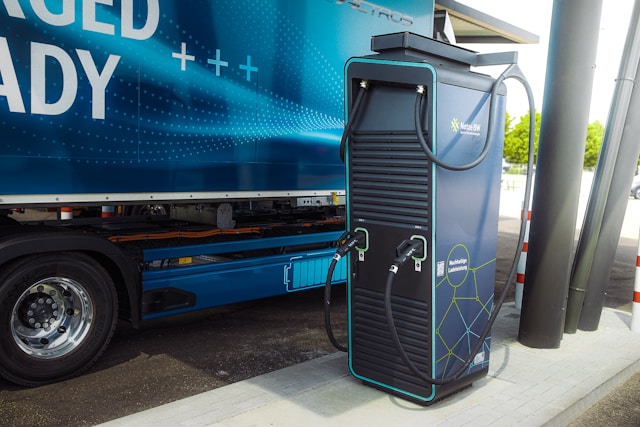
Megawatt Charging System (MCS): How the Grid Scales Heavy-Duty EV Freight
e-Mobility & EVs
Hyundai Ioniq 9 vs. Kia EV9: Which Three-Row Electric SUV Wins?
e-Mobility & EVs
Rivian R2 Review: The New Mid-Size Premium Electric SUV Champion

e-Mobility & EVs