
Energy Efficiency Tips
Heat Pumps vs. Traditional HVAC: Which Saves More on Energy Bills?
Heat Pumps vs. Traditional HVAC: Which Saves More on Energy Bills?
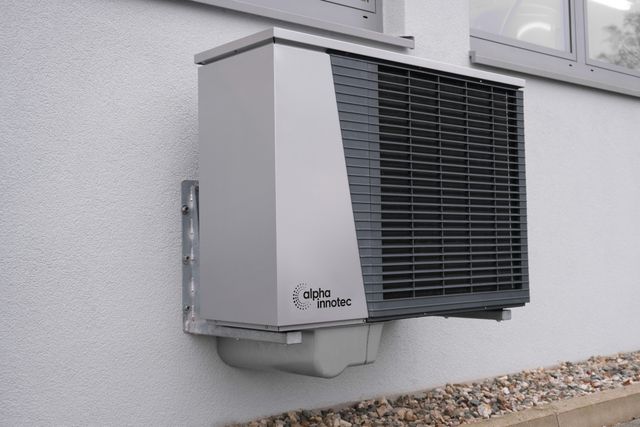
Heat Pumps vs. Traditional HVAC: Which Saves More on Energy Bills?
For decades, the standard blueprint for American home climate control was set in stone: an outdoor central air conditioner for the summer and a fossil-fuel furnace (natural gas, propane, or oil) tucked away in the basement for the winter.
That dual-system setup is rapidly fading. Driven by rapid advancements in cold-climate engineering and a massive push toward residential electrification, modern heat pumps have become the baseline for high-efficiency housing.
However, deciding whether to make the switch involves analyzing changing utility dynamics, upfront installation costs, and localized fuel prices. This analytical breakdown details how these systems stack up in real-world performance.
Technical Comparison: How Efficiency is Measured
Traditional furnaces generate heat by burning fossil fuels or running electricity through high-resistance coils. This process is limited by thermodynamics; it can never exceed a theoretical maximum efficiency of 100% (where one unit of fuel equals exactly one unit of heat). In reality, even premium condensing gas furnaces top out around 98% efficiency.
Heat pumps bypass this limitation because they do not create heat—they move it. Utilizing a closed refrigerant loop, they capture ambient thermal energy from the outside air and transfer it indoors. Because moving heat requires far less energy than creating it, modern heat pumps routinely operate at 300% to 400% efficiency, delivering three to four times more thermal energy than they consume in electricity.
To evaluate these systems accurately, look at three standardized industry metrics:
SEER2 (Seasonal Energy Efficiency Ratio): Measures cooling efficiency during summer. A higher number means less electricity consumed.
HSPF2 (Heating Seasonal Performance Factor): Measures heating efficiency over a typical winter season.
COP (Coefficient of Performance): The real-time ratio of heat output to energy input. A COP of 3.5 means the system delivers 3.5 units of heat for every 1 unit of electricity used.
Efficiency and Performance Metrics
Performance Metric | Modern Air-Source Heat Pump | Traditional AC + Gas Furnace |
Cooling Efficiency (SEER2) | 16 to 24+ SEER2 | 14 to 20 SEER2 |
Heating Efficiency (HSPF2 / AFUE) | 9.0 to 11.5+ HSPF2 | 80% to 98% AFUE (Furnace) |
Average Winter COP | 3.0 to 4.0 COP | 0.80 to 0.98 equivalent COP |
Sub-Zero Operational Limit | Efficient down to -15°F or lower | Unaffected by extreme cold |
Environmental Footprint | Zero direct on-site emissions | Emits CO₂ via fuel combustion |
Upfront Installation Costs vs. Lifespan
A common point of confusion for consumers is the initial out-of-pocket price tag. Heat pumps combine heating and cooling into a single physical footprint, requiring a sophisticated variable-speed inverter compressor to modulate temperature smoothly.
While a heat pump usually costs more upfront than a standalone air conditioner or furnace, it often matches or undercuts the total combined cost of buying both traditional systems simultaneously.
The True Baseline: According to national HVAC market data, the average installed cost for a whole-home ducted heat pump system ranges between $14,000 and $16,000 before rebates.
Total Installed Cost & Longevity Matrix
Cost & Operational Factor | Variable-Speed Heat Pump | Traditional AC + Gas Furnace |
Average Equipment Cost | $5,500 – $8,500 | $4,500 – $7,000 |
Labor, Conduit & Permits | $3,500 – $5,000 | $4,000 – $6,000 |
Average Total Gross Cost | $14,000 – $16,000 | $11,500 – $14,100 |
Expected Lifespan | 15 to 20 Years | 15 to 20 Years (AC) / 20+ Years (Furnace) |
Annual Maintenance Needs | Twice per year (Heating & Cooling) | Once per year for each individual unit |
Monthly Operational Costs: The Fuel Math
A heat pump will drastically lower your carbon footprint, but whether it lowers your monthly utility bill depends directly on your current heating source and regional electricity rates.
If you are switching from an inefficient heating system that runs on electricity, propane, or heating oil, a modern heat pump will deliver immediate, massive monthly savings. However, if your home has access to exceptionally cheap local natural gas, the monthly operational cost savings will be more modest.
Estimated Impact on Winter Utility Bills
Existing Home Heating Source | Average Winter Bill (Legacy) | Average Winter Bill (Heat Pump) | Projected System Savings |
Electric Baseboard / Resistance | $450 / month | $160 / month | ~64% Savings |
Heating Oil Boiler | $380 / month | $190 / month | ~50% Savings |
Propane Furnace | $340 / month | $175 / month | ~48% Savings |
Natural Gas Furnace | $120 / month | $110 / month | ~8% Savings |
Mitigating Extreme Cold: All-Electric vs. Hybrid Systems
Historically, the biggest knock against heat pumps was that they failed when temperatures dropped below freezing. While that was true of legacy single-stage models, modern cold-climate heat pumps utilize variable-speed inverter compressors and advanced refrigerants to maintain a COP above 2.0 even in sub-zero environments.
For homes in extreme northern climates (where temperatures regularly plunge past -15°F), installers frequently recommend a Hybrid (Dual-Fuel) Setup. This configuration pairs an electric heat pump with a high-efficiency gas furnace. The heat pump handles 85% of the heating workload during mild and moderately cold days, and the system automatically switches to the gas furnace only during peak winter freezes when fossil fuel is more economical than the electric grid.
2026 Incentives and Rebates
You can heavily offset the upfront cost premium of a heat pump by combining federal and state-level incentives.
The Federal Tax Credit (Section 25C): Homeowners can claim an income tax credit of 30% up to $2,000 for installing a heat pump that meets CEE highest tier efficiency standards.
State HEAR Rebates: Funded via the federal Home Electrification and Appliance Rebates program, individual states offer up to $8,000 in point-of-sale discounts for heat pump installations. These are strictly income-qualified, targeted at low-to-moderate-income households making under 150% of their Area Median Income (AMI).
Utility Cash Back: Many regional electric companies offer independent rebates ranging from $500 to $3,000 for moving away from fossil fuels or legacy baseboard heating.
The Verdict
If your home’s existing furnace and air conditioner are both nearing the end of their operational lifespans, choosing a modern heat pump is the clear economic winner. It streamlines your mechanical maintenance down to a single asset, delivers superior multi-stage air filtration, and safely hedges your household against long-term fossil fuel volatility.
Before signing a contract, ensure your HVAC professional conducts a proper Manual J load calculation to size the system precisely to your home's insulation levels, ensuring you maximize day-one utility savings.
Related Articles

Home Energy Solutions
Phase Change Materials: The Smart Insulation Cooling Your Home Permanently

Home Energy Solutions
Matter 1.4 Energy Management: Unifying Smart Appliances and Solar Grids

Home Energy Solutions
Perovskite Tandem Solar Cells: Bypassing the Silicon Efficiency Limit
Home Energy Solutions
Saltwater Batteries vs. Lithium: A Safe, Sustainable Home Storage Option
Home Energy Solutions
Microinverter vs. String Inverter: Which Solar Technology is Best?
Home Energy Solutions