
Charging Infrastructure
What is the Real Cost to Install a Level 2 EV Charger at Home in the US?
Upgrading to a Level 2 home EV charger in the US typically runs between $1,100 and $2,000. Here is a realistic breakdown of hidden hardware costs, electrician labor fees, and how to safely bypass an expensive electrical panel upgrade.
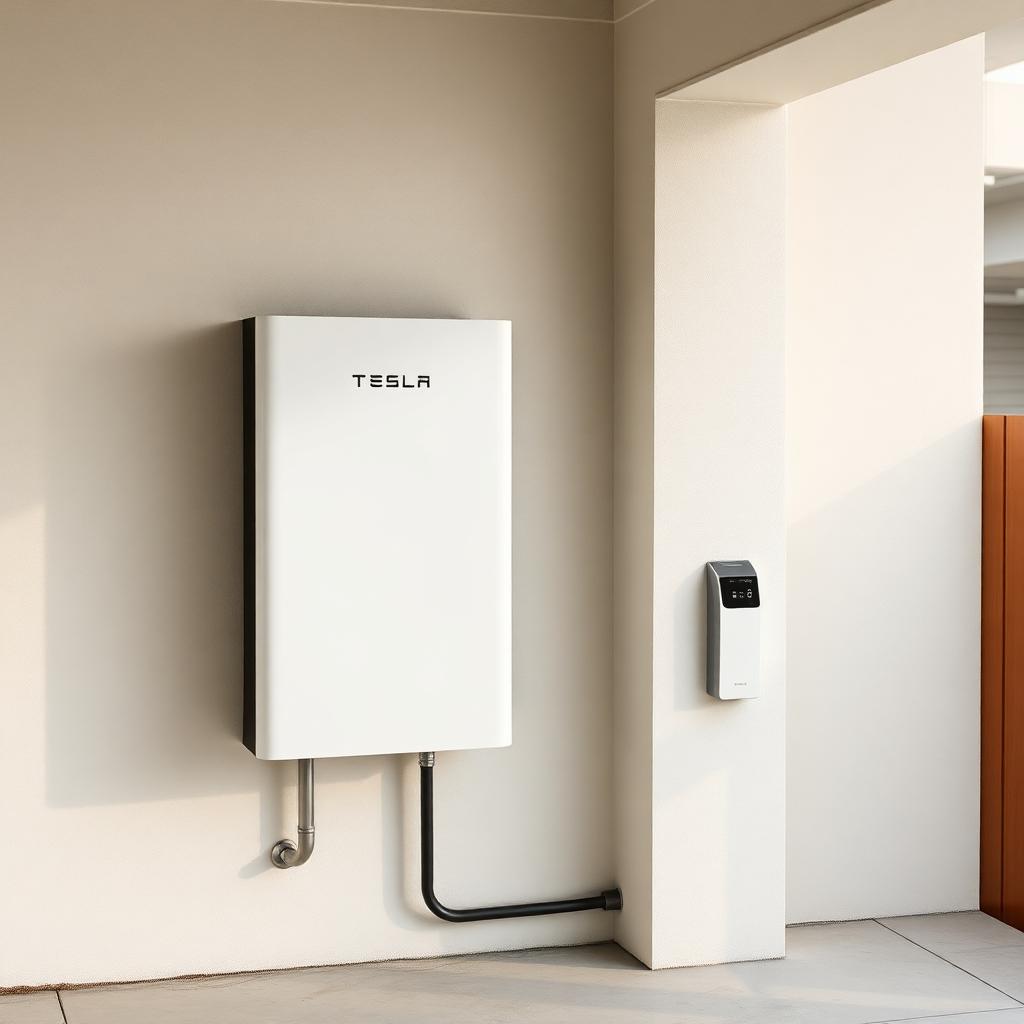
Bringing home a new electric vehicle usually triggers an immediate realization: standard US 120-volt wall outlets (Level 1 charging) are painfully slow. To get a full charge overnight, American homeowners need to upgrade to a dedicated 240-volt Level 2 setup.
But when you start looking for installation estimates online, the pricing data varies wildly. Some US drivers get away with spending $800, while others face unexpected electrician bills upwards of $4,000.
For a straightforward installation in a modern American home, expect a total out-of-pocket cost between $1,100 and $2,000. Where your project falls on that spectrum depends on a few highly specific US infrastructure variables.
Hardware vs. Electrician Labor: The US Baseline
A residential EV charging project in the US is split into two distinct costs: the physical equipment (the charger) and the professional labor required to safely wire it to the National Electrical Code (NEC) standards.
1. The Charger Hardware ($300 – $800)
Technically called Electric Vehicle Supply Equipment (EVSE), the hardware is the most predictable part of your budget. Prices vary based on build quality, amperage, and smart features.
Standard Chargers ($300 – $500): These are durable, plug-and-play units (usually 16 to 40 amps) that safely deliver power but offer minimal software tracking. Brands like Lectron or entry-level Emporia models are common choices here.
Smart Chargers ($500 – $800): Top-tier units like the ChargePoint Home Flex, Wallbox Pulsar Plus, or the Tesla Wall Connector can deliver up to 48 or 50 amps. They connect to your home Wi-Fi, allowing you to track energy usage and schedule charging for the middle of the night when local utility rates drop.
2. US Labor and Permits ($500 – $1,500)
A Level 2 charger draws roughly the same amount of power as a central air conditioner or an electric clothes dryer. It requires a dedicated two-pole circuit breaker and thick, heavy-gauge copper wiring.
A licensed US electrician will charge for their time, materials, conduit, and the local municipal building permits required in your specific town or city. A short, simple wire run from a breaker box to a nearby garage wall keeps labor on the lower end of this estimate.
The True Cost Driver: Panel Capacity and Distance
If you receive an exceptionally high quote from a US contractor, it is almost always driven by your home's existing electrical infrastructure, not the charger itself.
The Wire Run Distance
Copper wiring is expensive in the US. If your main electrical panel is located in a basement on the opposite side of the house from your driveway or garage, the cost of running heavy conduit through walls or underground trenches can quickly add $500 to $1,500 to your bill.
The 100-Amp Dilemma
Many older American homes operate on a 100-amp electrical service. If you regularly run a clothes dryer, an electric stove, and a central AC unit simultaneously, your panel likely does not have enough spare capacity to absorb an additional 40- or 50-amp EV load.
If your panel is maxed out, you have two choices:
Service Upgrade ($1,500 – $4,500): Upgrading your home to a modern 200-amp service panel is a permanent, future-proof fix, though it significantly inflates the upfront cost of your EV transition.
Smart Load Management ($200 – $500): Instead of replacing the entire panel, you can install a digital load splitter or energy manager (like those from NeoCharge or Span). These devices monitor your home's power draw in real time. If you turn on a heavy appliance, the system automatically dials back or pauses the EV charger to prevent an overload, saving you thousands on infrastructure upgrades.
Real-World US Cost Scenarios
Installation Type | Hardware | Labor & Permits | Upgrades Needed | Total Out-of-Pocket |
Simple (Panel in garage, plenty of capacity) | $450 | $600 | $0 | $1,050 |
Standard (Smart charger, short conduit run) | $650 | $950 | $0 | $1,600 |
Complex (Long wire run, electrical panel upgrade) | $700 | $1,300 | $2,500+ | $4,500+ |
US Tax Incentives and Utility Rebates
You can heavily offset these upfront costs by taking advantage of federal and regional programs.
The Federal Tax Credit (Section 30C)
Under the current federal framework, the Section 30C Alternative Fuel Infrastructure Tax Credit allows US homeowners to claim a credit of 30% up to $1,000 for hardware and installation expenses.
However, there is a catch: the federal credit is strictly limited to properties located in federally designated rural or low-income census tracts. You will want to verify your location against the IRS census tract maps before counting on this credit for your next tax return.
Local Utility Rebates
Beyond federal programs, local US utility companies remain the best source for immediate savings. Electric companies nationwide frequently offer direct rebates ranging from $200 to $800 to customers who install approved smart chargers and agree to participate in time-of-use (TOU) programs, which reward you for charging during off-peak hours.
Final Takeaway
Do not buy hardware until you know what your home can handle. Step one for any US EV owner should always be a quick assessment of your circuit breaker box. If you have a 200-amp panel with physical space for a double-pole breaker, your installation will likely be quick and affordable. If you are dealing with an older 100-amp system, look into smart load management devices before committing to a full electrical overhaul.
Related Articles

e-Mobility & EVs
Urban Air Mobility: When Will Commercial eVTOL Flights Take Off?
e-Mobility & EVs
Silicon Anode Batteries: Unlocking High Energy Density for Next-Gen EVs
e-Mobility & EVs
Megawatt Charging System (MCS): How the Grid Scales Heavy-Duty EV Freight
e-Mobility & EVs
Hyundai Ioniq 9 vs. Kia EV9: Which Three-Row Electric SUV Wins?
e-Mobility & EVs
BMW iX3 Neue Klasse: A Radical Leap for Electric Luxury SUVs

e-Mobility & EVs